

Article
Car Service & Repair in Cannonvale
As your local Mechanic in Cannonvale, Airlie Beach and the Whitsunday region, Cannonvale Auto Repairs take great pride in offering clients the very best in car servicing and automotive repairs.
Read moreDiesel engines are built for hard work, but modern diesel vehicles have an important component that needs the right conditions to keep doing its job: the Diesel Particulate Filter (DPF). For diesel 4WDs, utes and SUVs travelling around the Whitsundays, understanding how the DPF works and why it needs regular attention can help prevent reduced performance, warning lights and potentially expensive repairs.
Not every diesel vehicle has a DPF, but most modern diesel vehicles do. If your vehicle is fitted with one, knowing how to look after it is an important part of diesel vehicle maintenance.
A DPF is part of the vehicle's exhaust system. Its job is to capture microscopic soot particles produced when diesel fuel burns, preventing much of that particulate matter from being released through the exhaust.
As soot accumulates, the DPF needs to clean itself through a process called regeneration. During regeneration, the exhaust temperature rises sufficiently to burn off the accumulated soot and turn it into a much smaller amount of ash.
The problem is that regeneration needs suitable driving conditions. Frequent short trips, prolonged idling and stop-start driving may prevent the exhaust from reaching the temperatures required for a successful regeneration.
This can be particularly relevant if your diesel 4WD is used mainly for short journeys around Cannonvale, Airlie Beach and surrounding Whitsunday communities.
You might have a diesel vehicle because you tow, travel long distances or head off-road on weekends, but if most weekday driving consists of short trips, the DPF may not regularly get the opportunity to complete its regeneration cycle.
A DPF that repeatedly fails to regenerate can become increasingly restricted. The vehicle may then need to work harder to push exhaust gases through the filter, affecting engine performance and fuel economy.
A diesel that only does short trips may be working harder than you think.
Depending on the vehicle, symptoms of a DPF problem can include:
Some vehicles will display a message advising that the DPF needs to be regenerated. Don't ignore it. Continuing to drive with an increasingly restricted DPF can turn a relatively manageable maintenance issue into a more complicated repair.
A DPF does not operate in isolation. Problems with other parts of the diesel engine or emissions system can contribute to excessive soot production.
Issues involving the EGR system, fuel injectors, turbocharger, air intake or sensors can affect combustion and increase the amount of soot produced. If the underlying cause isn't identified, simply cleaning or replacing the DPF may not solve the problem.
This is why proper diesel diagnostics are important. A warning light does not automatically mean the DPF itself has failed.
Diesel 4WD owners in Cannonvale may use their vehicles for a very different mix of driving from someone living in a major city. Weekend trips, towing, boat ramps, unsealed roads, dusty tracks and off-road driving can all place additional demands on a vehicle.
Queensland Transport notes that unsealed roads can create dusty conditions, while wet conditions can make roads muddy and slippery.
Dusty environments also make regular inspection of air filters, intake systems and other service items worthwhile. If your 4WD spends considerable time off-road, tell your mechanic how and where you use it. Your actual driving conditions can be just as important as the kilometres shown on the odometer.
There is no universal driving routine that suits every diesel vehicle, so always follow the manufacturer's instructions. However, some sensible habits can help:
Does every diesel have a DPF?
No. DPFs are primarily found on modern diesel vehicles, so the equipment fitted to your vehicle depends on its age, engine and emissions system.
Can a DPF be cleaned?
In some circumstances, professional DPF cleaning may be appropriate. However, the cause of excessive soot accumulation should also be investigated to avoid the problem returning.
Is a DPF warning light an emergency?
It depends on the warning and the vehicle manufacturer's instructions. A warning that is ignored can become more serious, particularly if the vehicle enters limp mode or additional warning lights appear.
Can towing affect DPF regeneration?
Towing increases engine load and exhaust temperatures, but it does not automatically guarantee a successful regeneration. The vehicle's management system controls regeneration according to several operating conditions.
Is ash the same as soot?
No. Regeneration can burn accumulated soot, but ash is a non-combustible residue that gradually accumulates in the filter. Eventually, a DPF may require professional cleaning or replacement depending on its condition.
If your diesel 4WD, ute or SUV is regularly used around the Whitsundays, don't wait for a warning light before thinking about diesel maintenance.
As an independently owned Repco Authorised Service centre, Cannonvale Auto Repairs provides professional servicing and repairs for diesel vehicles, using qualified technicians, modern diagnostic equipment and manufacturer service information. The workshop already provides specialist 4WD and diesel services, making it a convenient local choice for maintaining vehicles used for everyday driving, touring, towing and off-road adventures.
If you notice a DPF warning, reduced performance, unusual fuel consumption or repeated regeneration issues, contact Cannonvale Auto Repairs in Cannonvale. Early diagnosis can help protect your diesel engine, emissions system and your wallet.
As your local Mechanic in Cannonvale, Airlie Beach and the Whitsunday region, Cannonvale Auto Repairs take great pride in offering clients the very best in car servicing and automotive repairs.
Read more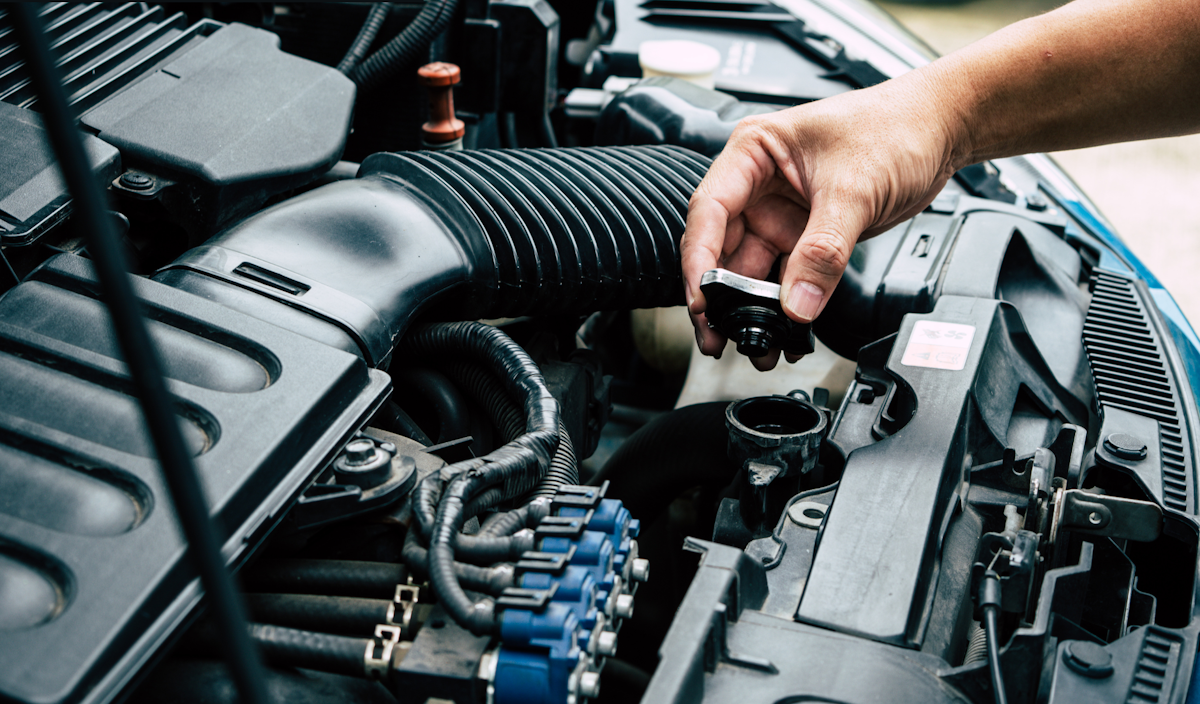
Protect your vehicle's engine by understanding common radiator failure causes and maintaining your cooling system effectively. Book in your next service Cannonvale Auto Repairs
Read more
Cannonvale Auto Repairs have the expertise and knowledge to provide diagnostics, repairs and service on all European and Luxury vehicles...
Read more